
Cooling That Moves Air Through the Entire Structure
How Whole House Fans work in Windsor for homes that overheat during summer evenings despite lower outdoor temperatures
Fantom Cooling installs whole house fans in Windsor that pull cool outdoor air through open windows and push hot air out through attic vents, replacing the entire volume of air inside your home within minutes. This approach works when outdoor temperatures drop below indoor levels, typically during evening and early morning hours. The system creates rapid air changes that flush accumulated heat from living spaces and the attic itself, addressing the problem of homes that remain uncomfortably warm long after the sun sets.
Whole house fans operate by mounting a large, powerful fan in the ceiling between your living space and attic, drawing fresh air through strategically opened windows and doors while exhausting heated air through existing attic ventilation. The process relies on negative pressure to create airflow throughout the structure, which means you control cooling zones by choosing which windows to open. Northern Colorado's high-desert climate produces significant temperature swings between day and night, making this technology particularly effective from late spring through early fall when evenings cool but daytime heat lingers indoors.
Schedule an on-site evaluation to determine proper fan sizing and optimal installation location for your home's layout and attic configuration.
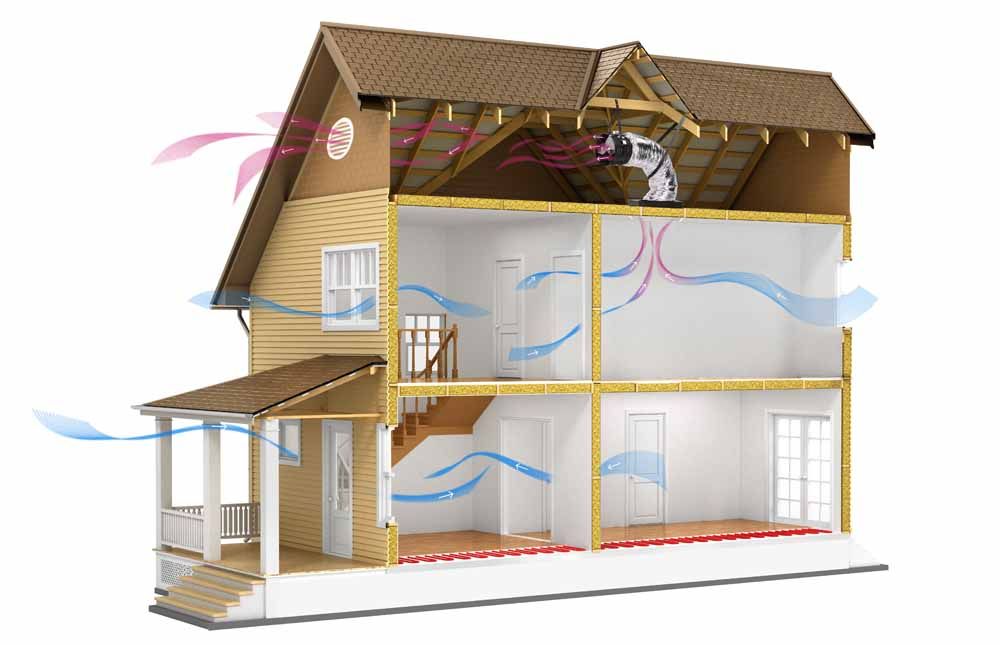
What Happens During Operation and Why Airflow Volume Matters
When you activate a whole house fan, it begins moving between 1,500 and 6,000 cubic feet of air per minute depending on the model and speed setting, completely replacing your home's air volume multiple times per hour. Fantom Cooling carries the QuietCool brand, which uses insulated motor housings and damper systems that reduce operational noise while maintaining high airflow rates, addressing the primary complaint with older whole house fan designs that generated disruptive sound levels.
After running the system for 15 to 30 minutes with windows open, you notice measurably cooler air throughout the home, reduced stuffiness in rooms that typically trap heat, and a significant drop in attic temperature that prevents radiant heat from continuing to warm your ceiling and upper floor. The attic itself often cools from temperatures exceeding 130 degrees down to within 10 degrees of outdoor ambient temperature, which stops the thermal transfer that keeps homes hot overnight even when exterior air has cooled.
Proper operation requires adequate attic ventilation to exhaust the volume of air the fan moves, typically a minimum of one square foot of net free vent area for every 750 cubic feet per minute of fan capacity. Homes with insufficient ridge vents, gable vents, or soffit ventilation may require additional vent installation before the whole house fan performs effectively, since restricted exhaust paths create back pressure that reduces airflow and efficiency.
Questions About Whole House Fan Installation and Use
Homeowners in Windsor often ask how this technology differs from standard attic fans and whether it works with their existing HVAC systems.
What makes whole house fans different from attic ventilation fans?
Whole house fans pull air from your living space through the attic and out vents, directly cooling occupied rooms, while attic fans only circulate air within the attic itself without affecting indoor temperatures, meaning you experience immediate comfort changes rather than indirect heat reduction.
How does outdoor air quality affect when you can run the system?
You operate whole house fans only when outdoor air quality is acceptable and temperatures are cooler than indoors, avoiding use during high pollen days, wildfire smoke events, or when ozone levels are elevated, since the system introduces outdoor air directly into your home without filtration.
Why does fan sizing matter for different home layouts?
A properly sized unit moves enough air to create 15 to 20 complete air changes per hour based on your home's total cubic footage, with undersized fans failing to generate the airflow velocity needed for effective cooling and oversized units creating excessive noise and draft without proportional comfort improvement.
When should you run a whole house fan instead of air conditioning?
The system works most efficiently when outdoor temperatures drop at least five degrees below indoor levels, typically after sunset in Windsor's climate, allowing you to shut off air conditioning and reduce electricity costs during the hours when temperature differentials favor natural ventilation over refrigerated cooling.
What installation factors affect QuietCool system performance?
The fan location must align with attic framing to avoid structural modifications, the ceiling opening requires adequate clearance from joists and trusses, and the damper assembly needs space to open fully without obstruction, with installation taking between three and six hours depending on attic access and existing framing configuration.
Fantom Cooling evaluates your home's ventilation capacity and calculates the appropriate fan size based on square footage, ceiling height, and attic characteristics. Request a consultation to review QuietCool models and determine whether your current attic ventilation supports whole house fan installation or requires enhancement.