
Pull Trapped Heat Out of Your Attic
Attic Fan Installation in Windsor for homes with high attic temperatures and poor airflow
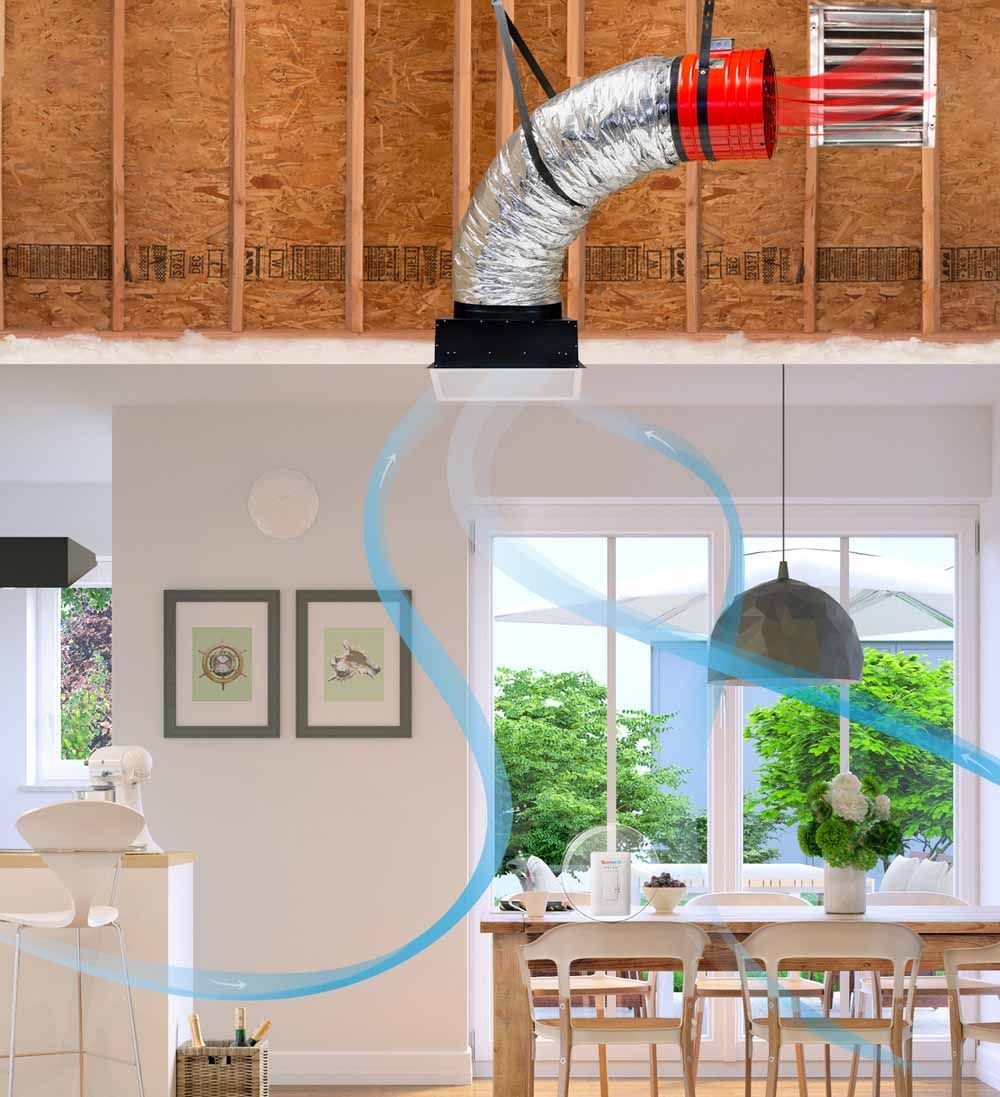
Fantom Cooling installs attic fans that actively remove heat from your attic space to reduce the load on your air conditioning system and protect your roof structure. You mount the fan in the attic or on the roof itself, and it runs automatically or on a thermostat to exhaust hot air when attic temperatures climb above a set threshold. This type of fan works alongside passive ventilation or as a supplement to whole house fan systems, and it is especially useful in homes where natural airflow alone does not keep attic temperatures under control.
Attic fans create forced exhaust that pulls hot air out faster than passive vents can manage, which lowers attic temperatures by 20 to 40 degrees on hot days. The cooler attic reduces heat transfer into your living space and helps your air conditioner maintain comfort without running constantly. In Windsor, where summer days bring intense sun exposure, attic fans improve energy efficiency and extend the life of roofing materials by preventing prolonged exposure to extreme heat.
If your attic reaches uncomfortable temperatures during the summer, contact Fantom Cooling to discuss attic fan installation and the best placement for your roof type and ventilation setup.
How Attic Fans Improve Cooling and Roof Longevity
Your attic fan needs to be sized and positioned correctly to move enough air without creating negative pressure that pulls conditioned air out of your living space. Fantom Cooling evaluates your attic volume, existing ventilation, and roof structure to recommend a fan with the right airflow capacity. We install the fan in a location that maximizes exhaust efficiency and ensures that intake vents provide enough replacement air to support the fan's operation.
After installation, you will notice that your attic stays cooler during the hottest parts of the day and that your home feels more comfortable even when the air conditioner is not running as much. The fan activates automatically when attic temperatures rise, and it shuts off once the space cools down, so you do not have to monitor it manually. The reduced heat buildup also protects shingles, roof decking, and insulation from thermal stress that shortens their lifespan.
We install roof-mounted fans or gable-mounted fans depending on your attic layout and roof design. Roof-mounted fans sit near the ridge and pull air out through the top, while gable fans mount in existing gable vents and exhaust air horizontally. Both types require adequate intake ventilation at the soffits or eaves to function properly. If your attic does not have enough intake vents, we identify that during the assessment so you understand what additional work is needed to support the fan.
What Homeowners Want to Know About Attic Fans
Most questions about attic fans involve how they differ from whole house fans and whether they are necessary when passive vents are already in place. Fantom Cooling explains how attic fans fit into your overall cooling strategy and when they provide the most value.
What is the difference between an attic fan and a whole house fan?
An attic fan exhausts air from the attic to the outside, while a whole house fan pulls air from your living space into the attic, and both can work together to improve cooling efficiency.
How much cooler will my attic be with a fan installed?
Attic fans typically reduce attic temperatures by 20 to 40 degrees compared to outdoor air, which lowers heat transfer into your home and reduces air conditioning load.
Why do I need an attic fan if I already have roof vents?
Passive vents rely on natural airflow, which may not move enough air on hot, still days, and an attic fan provides active exhaust that works regardless of wind conditions.
When does the fan turn on and off?
Most attic fans include a thermostat that activates the fan when attic temperatures reach a preset level, usually between 90 and 110 degrees, and shuts it off once the space cools.
How is the fan powered?
Attic fans connect to your home's electrical system through a dedicated circuit, and solar-powered models are available if you prefer to avoid running new wiring.
If you are dealing with high attic heat and want to reduce cooling costs, reach out to Fantom Cooling for an attic fan installation consultation and recommendations based on your home's ventilation and roof layout.